

Stories: THE TROUBLE WITH WANTING YOU Part 3 by Sharon Okafor.M

THE PEOPLE WHO NOTICE
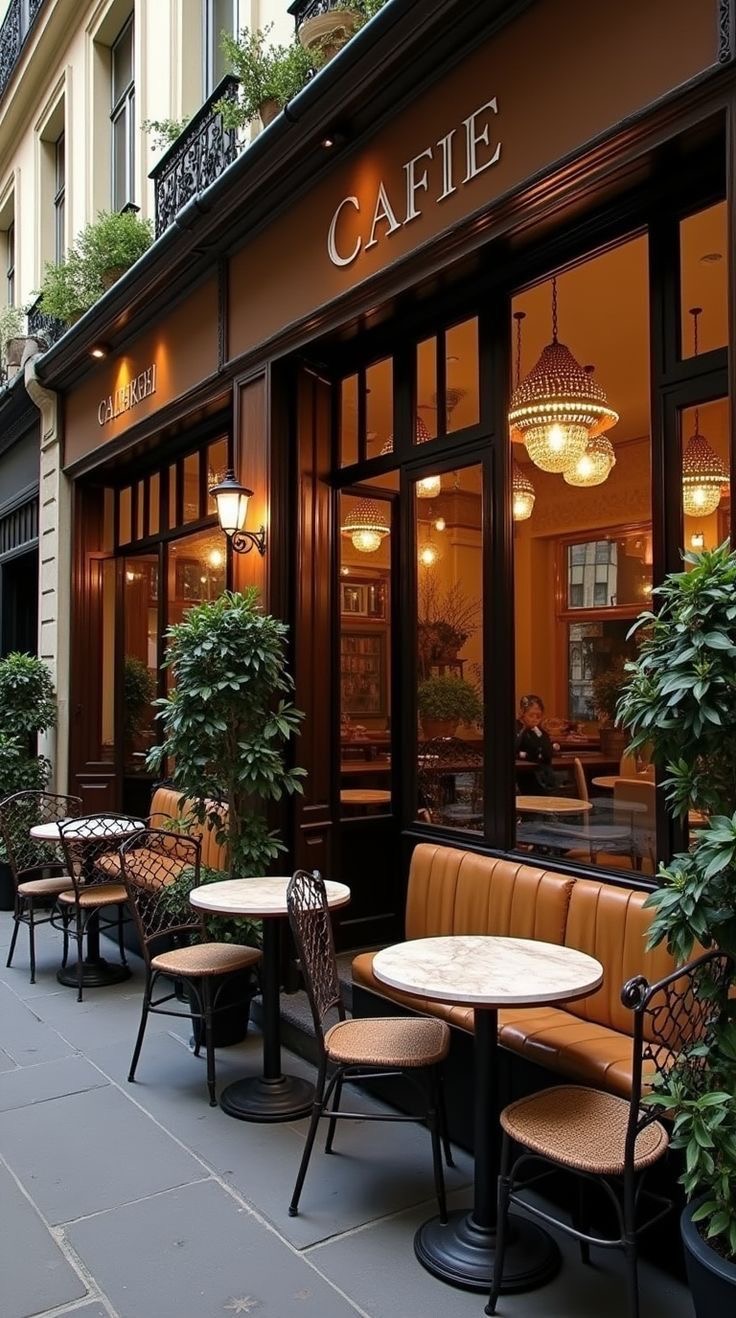
“Outside, the afternoon had settled into one of those grey moods that made the city look as though it had something personal against the sun. Cars crawled past the tall glass windows, tyres hissing over wet asphalt".
"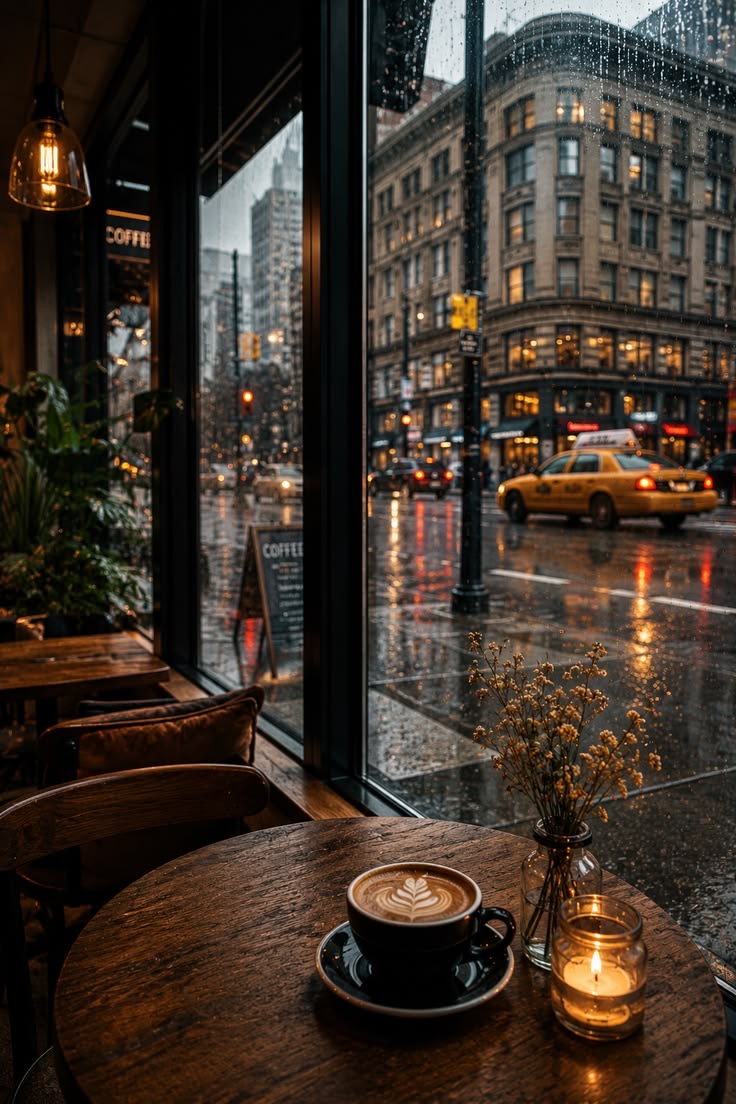
The following afternoon, 3:17 p.m. The coffee shop smelled of freshly ground coffee, cinnamon and rain. Outside, the afternoon had settled into one of those grey moods that made the city look as though it had something personal against the sun. Cars crawled past the tall glass windows, tyres hissing over wet asphalt. Inside, soft jazz drifted from speakers tucked somewhere above the shelves, almost disappearing beneath the hiss of the espresso machine and the occasional clatter of cups. Nadia Kings sat beside the window with her phone face down on the table. She had checked the entrance four times in the last ten minutes. Not that she was counting. She lifted her cup and took a sip. The coffee had gone lukewarm. She swallowed anyway, then glanced at the door again. A woman with a red scarf came in. Not Maya. A man carrying a laptop bag followed. Also not Maya. Nadia exhaled through her nose. Perhaps she had been kidnapped by the traffic. It would not have been the most unreasonable explanation. Then a familiar voice rang across the shop. “Look who finally remembered she has friends!” Nadia turned just as Maya approached, her handbag slipping down one shoulder and a smile spreading across her face. She looked exactly as Nadia remembered her, only with a little more confidence and the sort of energy that suggested she had already had three conversations before arriving. Nadia stood. Maya pulled her into a hug before she could say anything. “You’re squeezing the life out of me,” Nadia muttered. “Good. At least I know you’re alive.” Maya stepped back and held her by the shoulders, inspecting her face.
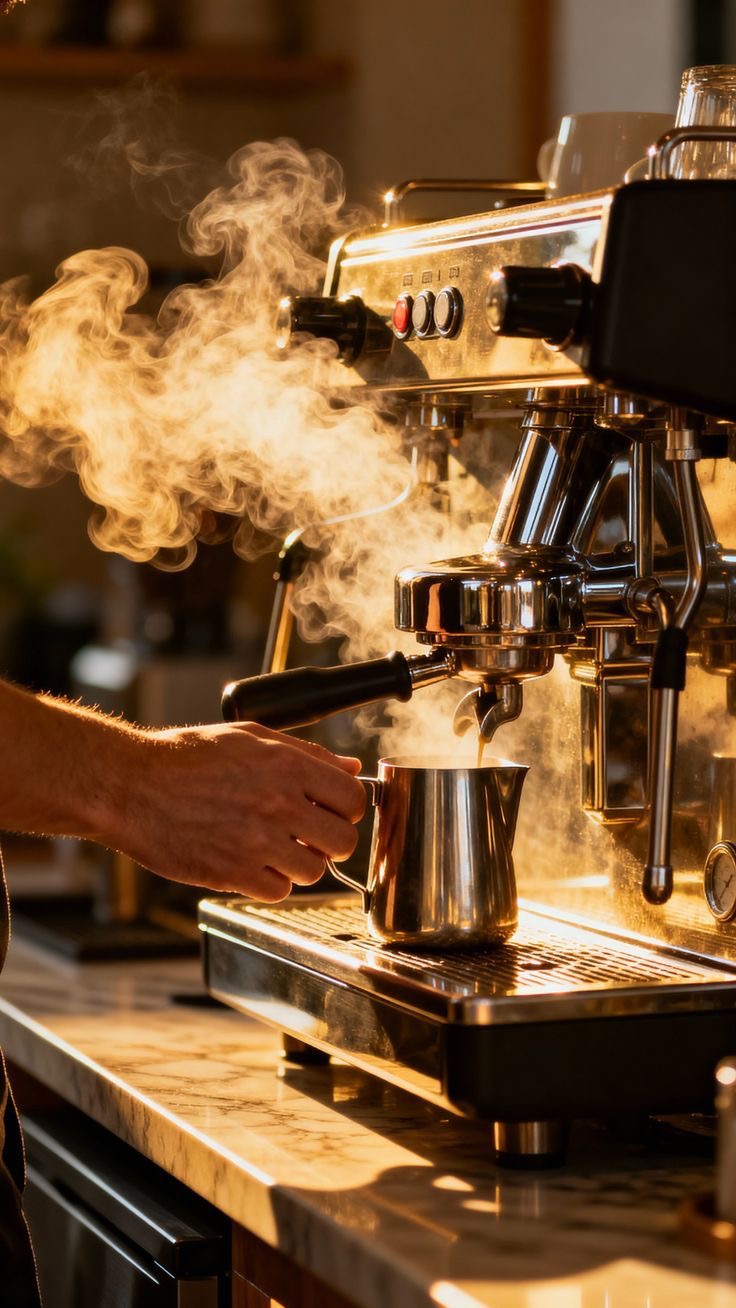
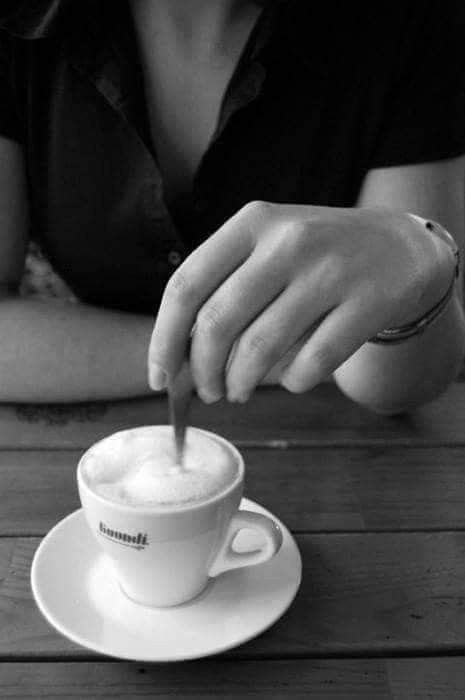
“Look at you. Still beautiful. Still looking like you’re about to cross-examine somebody.” “Maybe somebody deserves it.” “See? I haven’t even been back for an hour and you’re already threatening people.” They laughed, and for a moment the last few days loosened their grip on Nadia. Maya dropped into the chair opposite her. “I have missed you,” she said, her voice softer now. “Do you know how long I’ve been away?” “Long enough to forget how to find your way around town, apparently.” “Please. I survived another state, three terrible apartments, endless meetings and traffic that made me question the existence of time. I can find my way around this city.” “You just complained about getting lost on your way here.” “That was a temporary disagreement between me and Google Maps.” Nadia laughed. Maya waved down a waiter and ordered an iced latte. When he left, she leaned back, crossing one leg over the other. “So. Tell me everything.” “There’s nothing to tell.” “That’s unfortunate. I came prepared to hear everything.” “You should have brought a notebook.” “I did.” Maya tapped her handbag. “It’s called my memory. Very reliable. Occasionally dramatic.” The waiter returned with her drink. Maya thanked him, took a sip and made a satisfied sound. “Now, before you start pretending your life has become a government secret, I have a question.” Nadia raised an eyebrow. “How is the hot man?” Her fingers paused around the coffee cup. Maya’s smile widened. “Ah. There it is.” “There is nothing.” “Interesting. I haven’t even mentioned his name.” “You didn’t need to.” “Which means there is a name.” “Maya.” “Fine. I will respect your privacy.” She held up both hands, then lowered them slowly. “For approximately seven seconds.” Nadia shook her head, trying not to smile. “He’s fine.” “Fine?” “Yes.” “That is a remarkably uninspired description of a man you were practically glowing about the last time we spoke.” “I was not glowing.” “You were doing something. Your face had become suspiciously cooperative.” Nadia laughed despite herself. Maya watched her for a moment, then took another sip of her latte. “All right,” she said. “I’ll leave the mysterious gentleman alone. For now.” She changed the subject, asking about work, the people Nadia had seen since her return and whether the city had become any less irritating in her absence. She told Nadia about her new apartment, the neighbour who played music at unreasonable hours and a colleague who had once scheduled a meeting to discuss why nobody was attending the meetings. “Some people are born to waste other people’s time,” Maya declared. “At least they’re consistent.” “Exactly. Consistency is important.” Nadia laughed again. It came more easily this time. But Maya noticed the way her friend occasionally drifted out of the conversation. Her eyes would settle on something beyond the table, and her fingers would begin moving around the rim of her cup as though she were trying to stir a thought into submission.
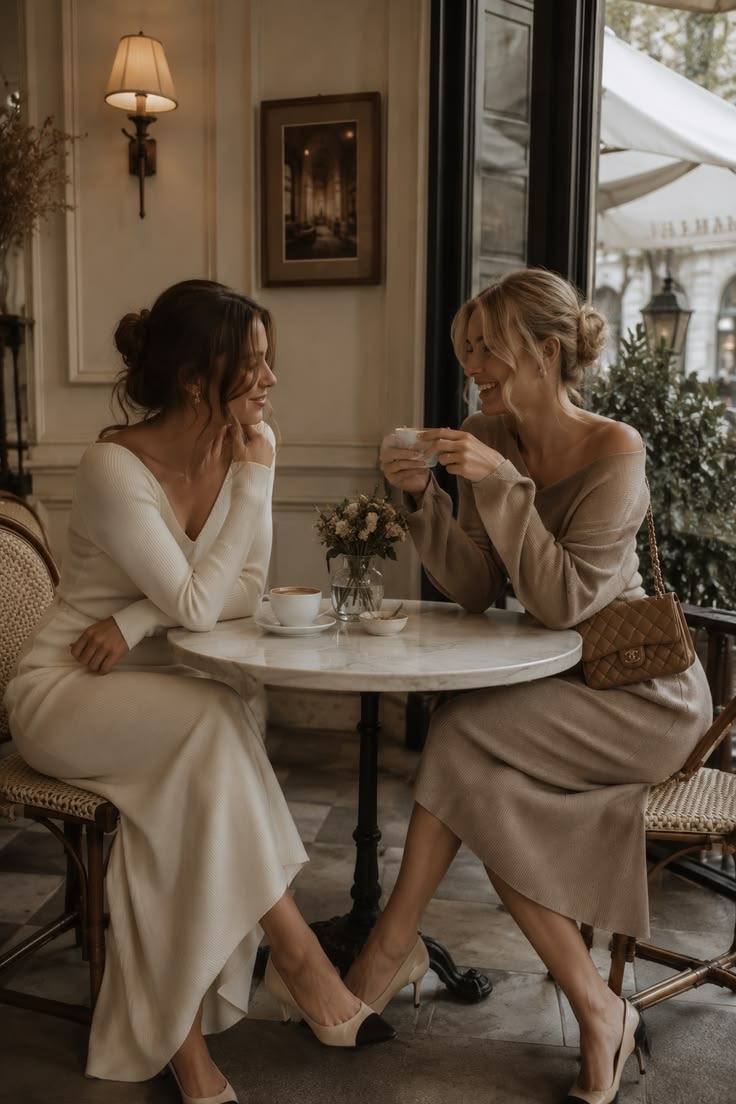
"Her eyes would settle on something beyond the table, and her fingers would begin moving around the rim of her cup as though she were trying to stir a thought into submission”.
"
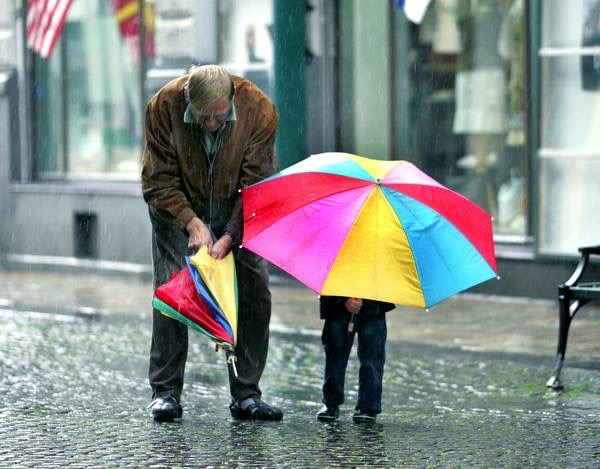
Maya did not ask what was wrong. She knew Nadia well enough to recognise the difference between a person who needed a question and one who needed somewhere to put down the weight for a while. So she told her about the colleague who had mistaken a hotel fire alarm for a scheduled evacuation drill. She described the man’s expression with such theatrical precision that Nadia nearly choked on her coffee. “You’re lying.” “I wish I were. I have witnesses.” “You need better friends.” “I have you. Clearly, my judgement is already questionable.” Nadia was still smiling when she glanced towards the window. Across the road, a man stood beside a little girl. He held an umbrella over her, angling it towards her small shoulders while the rain tapped against the fabric. The child was wearing a yellow raincoat and seemed to be explaining something with great urgency, her little hands moving as she spoke. The man bent slightly to hear her better. When she stepped into a puddle, he laughed and shifted the umbrella to keep the rain off her. It was an ordinary moment. Nothing remarkable. Nothing that should have held anyone’s attention for more than a few seconds. But Nadia’s smile changed. Only briefly. Her fingers stopped moving around the cup. Something old stirred behind her eyes, something she had no intention of examining in the middle of a coffee shop. Then the man and the little girl moved on, disappearing behind a passing bus. “Nadia?” She turned. Maya was watching her, her expression curious but gentle. “Hm?” “You disappeared for a second.” “Did I?” “Completely. I was beginning to think I had become boring.” “That would be a first.” “Thank you. I appreciate your honesty.” Nadia smiled and reached for her coffee. The moment passed. Or, at least, she allowed it to. They stayed for another forty minutes, talking about ordinary things. By the time they stood to leave, Maya had extracted a promise that Nadia would not disappear on her again. “I mean it,” Maya said, pulling her into another hug outside the shop. “I have only just returned. Don’t make me start filing missing-person reports.” “I’ll try to remain locatable.” “Good. And tell that hot man I said hello.” “I am not telling him that.” “Then tell him I said nothing. It will make him curious.” Nadia laughed, kissed her cheek and watched her friend walk towards the waiting car. For the first time in days, the afternoon had felt almost normal. Almost.
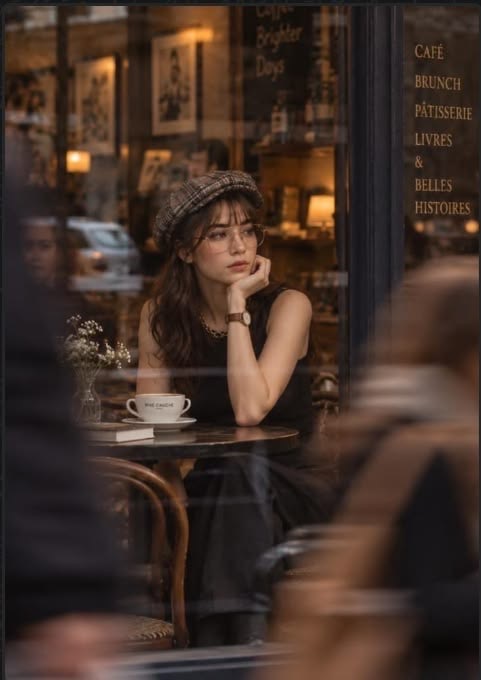
"Something old stirred behind her eyes, something she had no intention of examining in the middle of a coffee shop”.
"
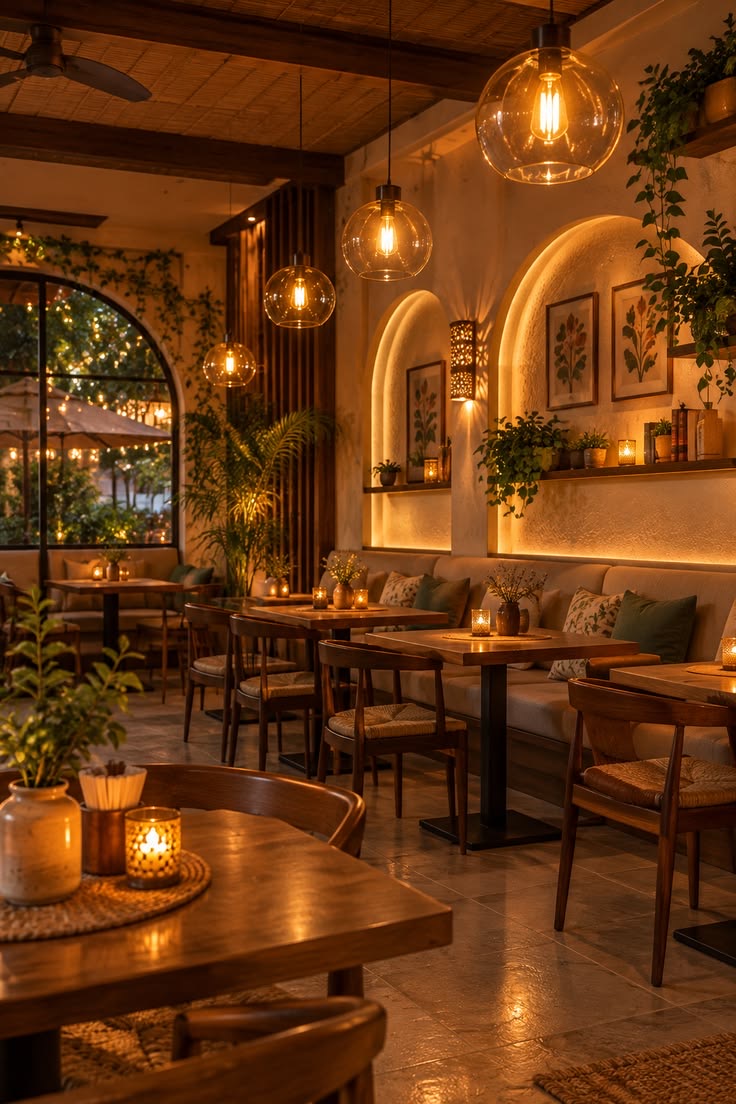
Four days later, 7:24 p.m. Nadia had been avoiding Adrian for four days. She had not blocked his number. That would have been childish, and she preferred to think she had more dignity than that. She had simply become very busy whenever his name appeared on her screen. An impressive amount of work had been completed as a result. Her inbox was nearly empty. Her patience, however, was not. The small dinner outlet was tucked between a pharmacy and a dry-cleaning shop on a quieter stretch of road. It was the sort of place people found because they lived or worked nearby, not because it appeared in glossy restaurant guides. Warm pendant lights hung above dark wooden tables. The air smelled of grilled chicken, garlic butter and freshly baked bread. Somewhere behind the counter, a radio played an old love song at a volume low enough to be ignored but familiar enough to make the room feel lived in. Nadia had chosen a table near the wall. Her laptop was open in front of her, a half-finished meal sat to her left, and her glasses rested low on the bridge of her nose. She had pulled her hair into a loose bun, though a few strands had escaped around her temples. She was reading the same paragraph for the third time. Her phone vibrated beside the plate. She glanced at the screen. Adrian calling. She turned the phone face down. A few seconds later, it vibrated again. Nadia closed her eyes. “Persistent,” she murmured. She returned to the laptop.
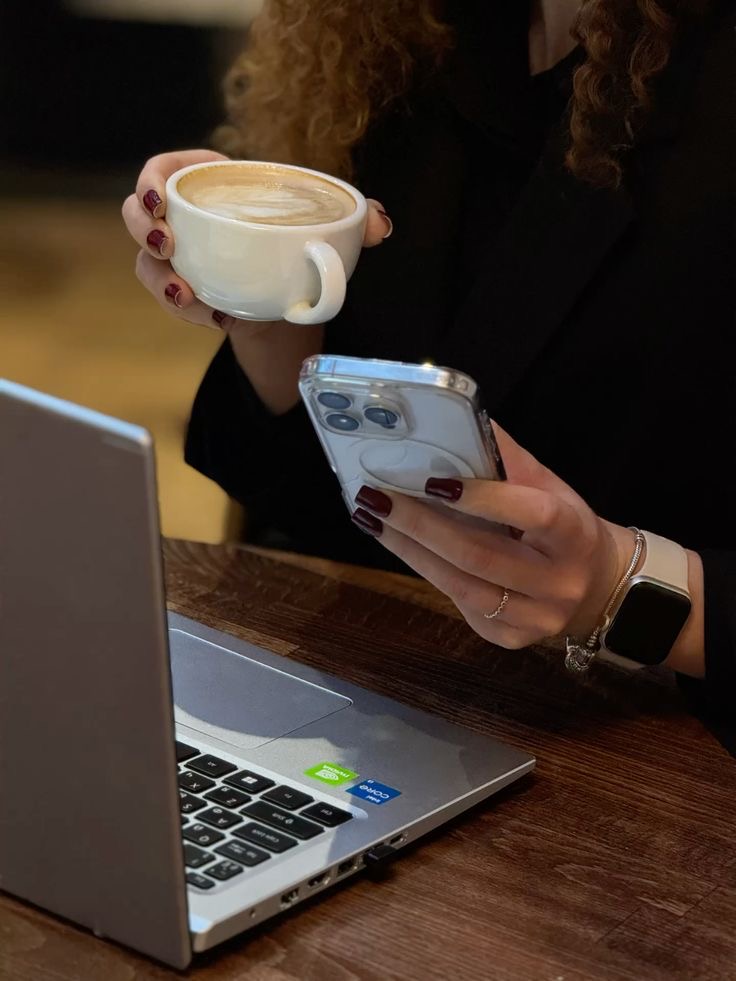
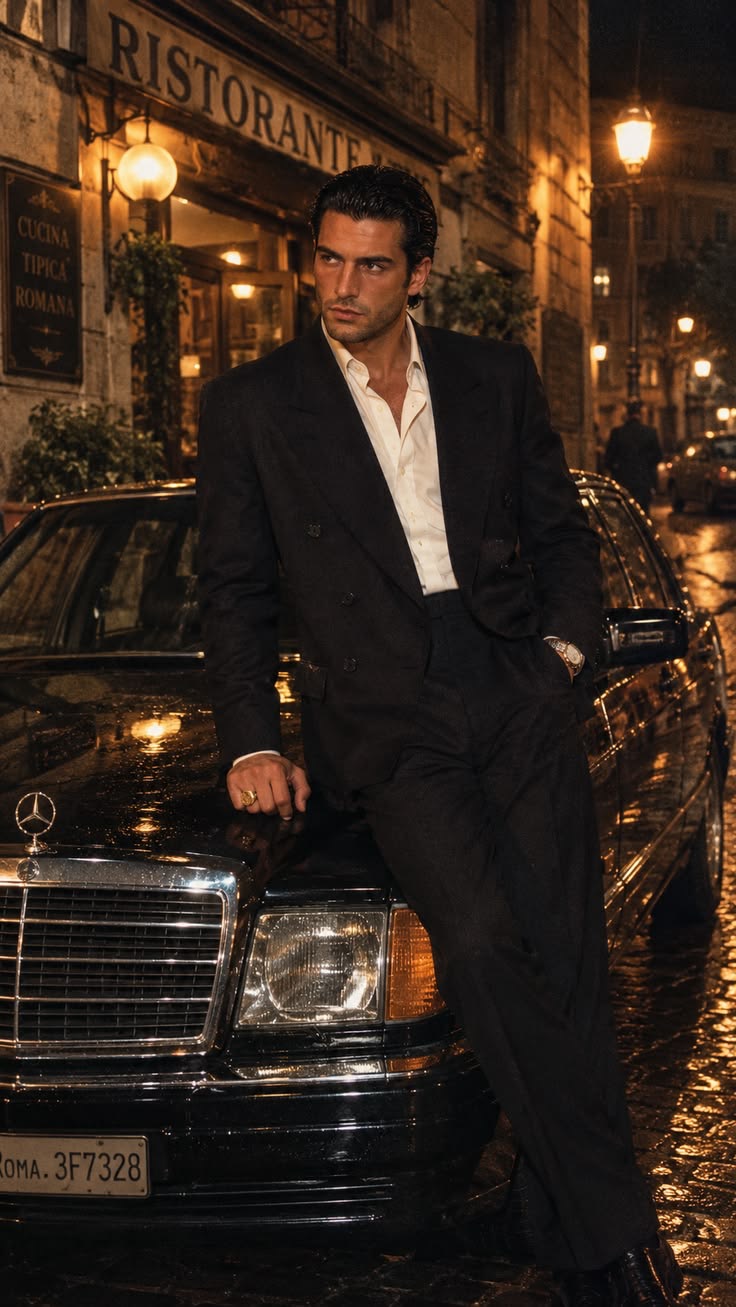
The restaurant door opened, allowing a brief rush of damp evening air into the room. A man entered, brushing a few raindrops from the sleeve of his dark jacket. He had just left a meeting at a nearby office and had stepped in to collect dinner before heading home. He spoke briefly to the attendant near the counter, then looked across the tables. His gaze stopped. Nadia did not notice him immediately. She was leaning towards her screen, one hand supporting her chin, the other moving the cursor across a paragraph. The warm light caught the edge of her glasses. A loose strand of hair rested against her cheek. Adrian watched her for a moment. Then he approached. “I was beginning to think your phone had developed a personal dislike for me.” Nadia looked up. For a second, she simply stared. Adrian stood beside her table, one hand resting lightly on the back of the empty chair. There was a faint amusement in his expression, but it did not quite reach his eyes. “Good evening,” he added. She blinked, then slowly removed her glasses. “Adrian.” “That’s usually how introductions work.” “What are you doing here?” “Having dinner. Although I must admit, the evening has improved considerably.” He pulled the chair out. The legs scraped against the tiled floor. Nadia glanced at it, then at him. “Are you planning to sit?” “I was hoping the chair wasn’t reserved.” “You’re very comfortable making assumptions.” “Only when the alternative is standing here looking desperate.” He sat before she could answer. Nadia put her glasses beside the laptop. “I didn’t know you came here.” “I don’t think you’ve been particularly interested in knowing where I go.” There was no accusation in his voice, but she heard the question beneath it. She looked down at her screen. “I’ve been busy.” “Clearly.” He glanced at the laptop, then at the untouched portion of her dinner. “Working through dinner?” “Some of us have actual responsibilities.” “That sounded almost insulting.” “It was meant to.” Adrian smiled.
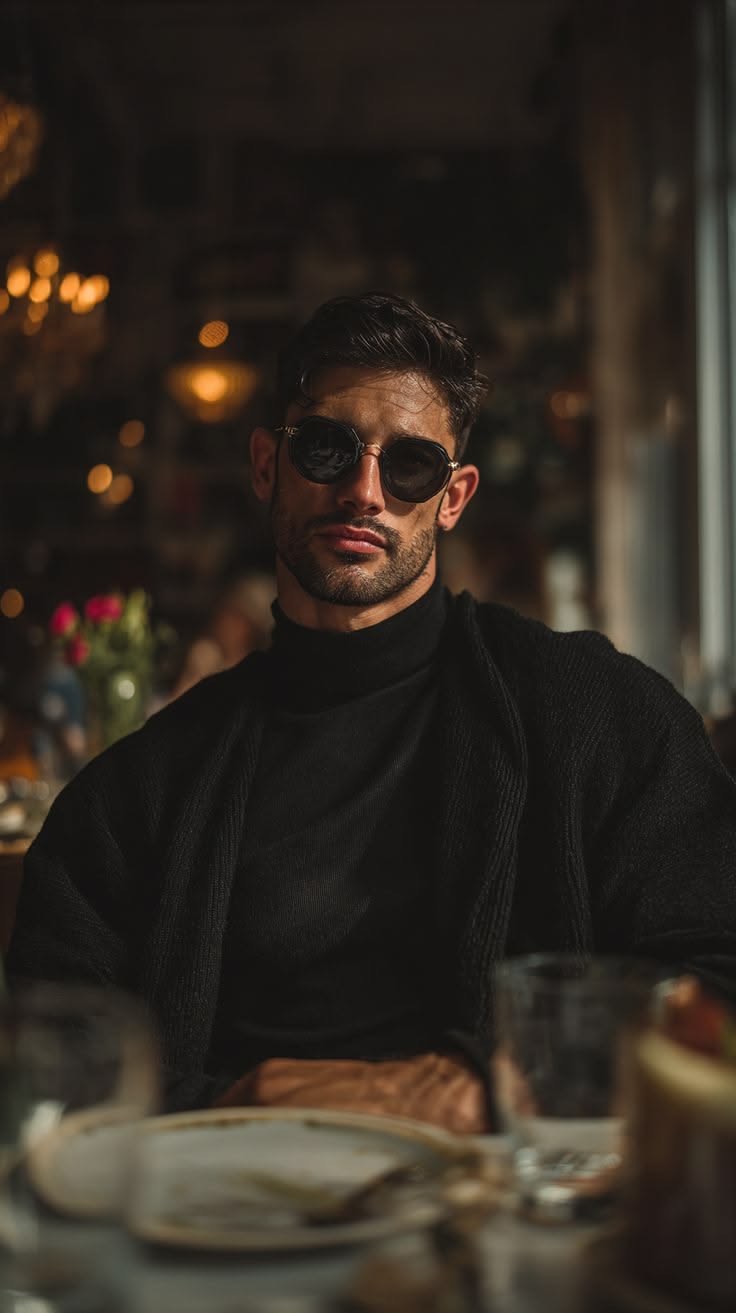
A waiter approached, and Adrian ordered a glass of water. When the waiter left, he settled into the chair, one arm resting along its back, his posture easy enough to suggest he had nowhere else to be. He looked relaxed. Too relaxed, Nadia thought. As though he had not spent the last four days trying to reach her. As though she had not spent the same four days pretending not to notice. “You’ve been avoiding me,” he said. Nadia kept her eyes on the laptop. “I’ve been working.” “Of course. You must be the only person in the city whose workload increases whenever I call.” She looked up. “Do you always assume everything is about you?” “Not everything.” “How generous.” “Only the interesting things.” She almost smiled. Almost. Adrian noticed. His expression softened, but he did not push the advantage. For a moment, neither spoke. The restaurant carried on around them. Cutlery touched ceramic plates. A blender started behind the counter and stopped. Someone near the entrance laughed loudly at a joke Nadia had not heard. Adrian watched her fingers move towards her glasses, then stop. “Are you all right?” he asked. “I’m fine.” “You say that as though you’ve been practising.” “Perhaps you ask too many questions.” “Perhaps you give me too few answers.” She looked at him then. There it was again. That effortless confidence. The way he could make an ordinary sentence sound like a challenge and a compliment at the same time. It was irritating. It was also, inconveniently, attractive. She looked away first. Adrian’s smile faded a little. “Nadia.” The sound of her name in his voice made her look back. “I’m not asking you to explain anything you don’t want to explain,” he said. “But I would like to know why you suddenly decided I was someone you needed to avoid.” She folded her arms. “Maybe I needed some space.” “From me?” “Yes.” He nodded once. The answer seemed to land harder than he had expected. “All right.” She had prepared herself for an argument. A joke. Some clever remark about how difficult she was making his life. She had not prepared for him to accept it. Adrian reached for the glass of water the waiter had just placed on the table. His fingers closed around it, but he did not drink. “Can I ask you something?” “You seem to be doing a lot of that already.” He gave a small laugh. “Fair enough. Have I given you a reason not to trust me?” Nadia’s expression changed. There were several answers she could have given him. She could have asked about Michael Jones. She could have mentioned the anonymous email, the newspaper clipping and the police report. She could have asked why a man she barely knew had suddenly become connected to the worst night of her life. Instead, she looked at him and said, “I don’t know you as well as you seem to think I do.” Adrian held her gaze. “Then let me change that.” She looked down. The answer was too easy. That was the problem. Somewhere beneath the questions, beneath the unease and the suspicion, there was still the memory of his hand against her skin, his voice in the quiet of her apartment, the way the morning had felt before the email arrived.
"Somewhere beneath the questions, beneath the unease and the suspicion, there was still the memory of his hand against her skin, his voice in the quiet of her apartment, the way the morning had felt before the email arrived."
"She wanted to believe him. And she did not trust herself enough to know whether that desire was helping or hurting her. “I should go,” she said. Adrian’s fingers tightened slightly around the glass. “Already?” “I have somewhere to be.” He looked at the laptop, then at the meal she had barely touched. “You’re leaving your dinner?” “I’m not particularly hungry anymore.” He glanced towards the door. Rain had begun again, fine drops tracing the glass. “Let me take you.” “No. I’ll get a taxi.” He was quiet for a moment. He wanted to argue. It showed in the way his jaw shifted, in the way he leaned forward as though he might reach for her hand and then stopped himself. He could have asked her to stay. He could have made another joke, found another reason to keep her there for five more minutes. Instead, he stood and moved aside to give her room. “All right,” he said. “But wait until the taxi arrives. It’s raining.” Nadia studied him. “You’re not going to argue?” “I’d like to.” “But?” “But I’d rather you stay because you want to, not because I have made leaving difficult.” For a moment, she had no answer. She packed her laptop, slipped it into her bag and put on her coat. Adrian reached for the chair she had pushed back, holding it steady as she stood. Their hands nearly touched. Neither acknowledged it. He walked her to the entrance. The evening air was damp and cool against Nadia’s face. The pavement shone beneath the streetlights, and the smell of wet concrete mingled with exhaust fumes from the slow-moving traffic. A taxi pulled up a few minutes later. Adrian opened the rear door. Nadia turned towards him. “Goodnight, Adrian.” “Goodnight, Nadia.” She hesitated, just long enough for him to notice. Then she got in. He closed the door gently and stepped back as the taxi pulled away. He remained beneath the restaurant’s narrow awning, watching the red tail lights merge with the traffic. He had wanted to see her. He had not expected that seeing her would make him miss her more. His phone vibrated. He ignored it. For another few seconds, he watched the road where her taxi had disappeared. Then he turned and went back inside.

"He remained beneath the restaurant’s narrow awning, watching the red tail lights merge with the traffic. He had wanted to see her. He had not expected that seeing her would make him miss her more".
"
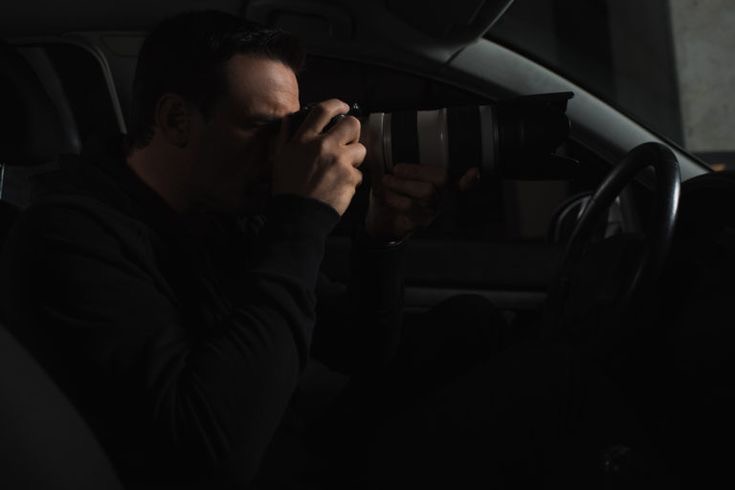
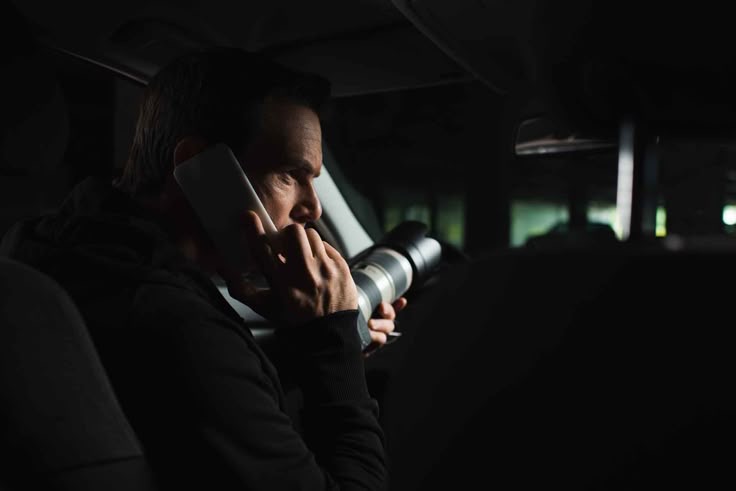
Across the street, a man sat in a parked vehicle with the engine off. He had been there long enough for the windscreen to gather a thin film of moisture. A small camera rested in his hands, its lens angled towards the restaurant entrance. He had photographed the two of them at the table. The moment Adrian leaned towards Nadia. The moment she looked away. The moment he stood to let her leave. He had also captured the taxi pulling away. He checked the images one by one, enlarging the clearest shots. Nadia Kings. Adrian. Together, in a restaurant, looking considerably more familiar than two people who had merely crossed paths. He waited until the taxi’s tail lights disappeared beyond the junction. Then he lowered the camera. A phone lay on the passenger seat. He picked it up, selected the images and attached them to a message. His thumb hovered over the screen for a moment. Then he pressed send. The message showed as delivered. He put the phone away and started the engine.
"Michael had never been called to testify in open court. His identity had been kept away from the public record. He had been listed as a confidential source, known only to a small number of people involved in the investigation”.
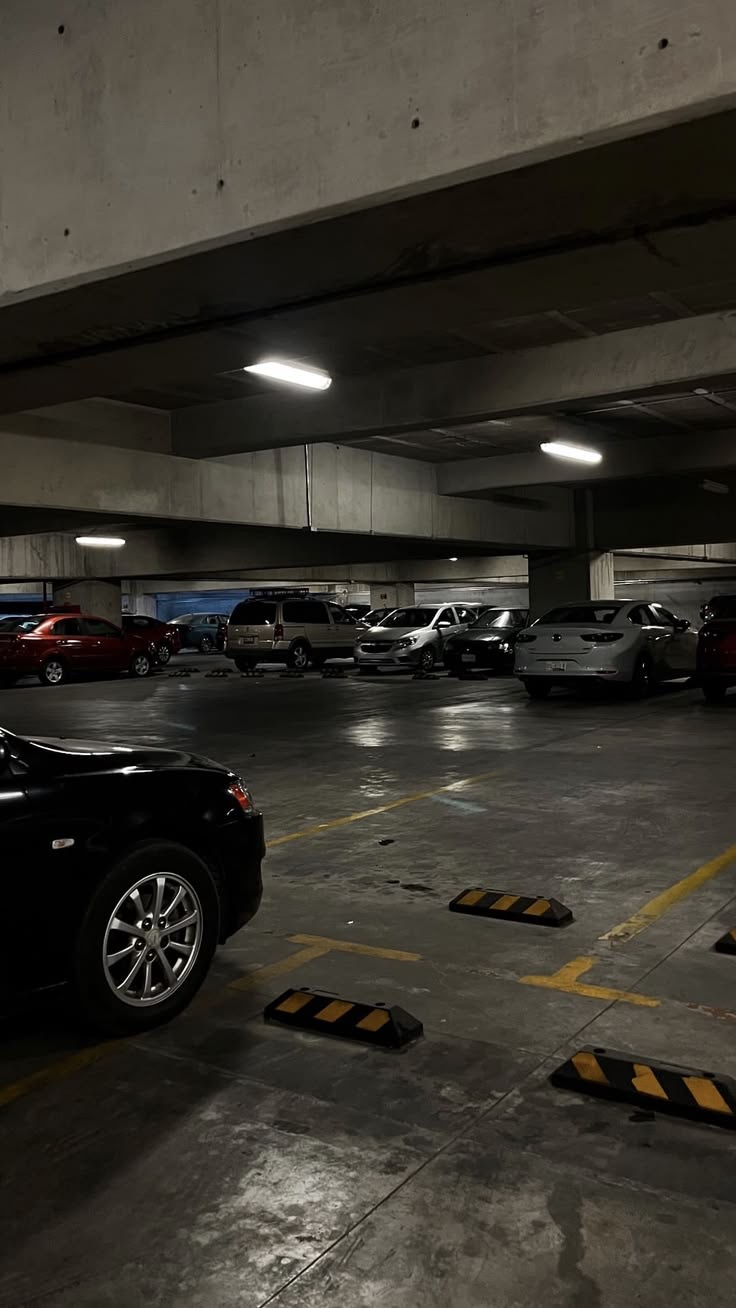
"9:41 p.m. The underground parking garage smelled of damp concrete, petrol and the faint metallic odour that seemed to cling to places where cars spent too much time breathing the same air. Nadia stepped out of the lift and looked around. Daniel Reed stood beside a dark sedan, holding a brown envelope beneath one arm. His tie was loosened, and his expression suggested that the evening had already tested his patience. He saw her and checked his watch. “You’re two minutes late.” “Good evening to you too.” “I was beginning to think you’d been kidnapped.” “Disappointed?” “Only because I had prepared a very moving statement for the police.” She smiled faintly. Daniel held out the envelope. “Before you ask, no, I haven’t brought you the entire prosecution archive. I like my job.” Nadia took it. The envelope was heavier than she expected. “What’s inside?” “Copies. Extracts, dates, references and a few documents that were easier to obtain than I expected.” “That sounds suspiciously convenient.” “Don’t insult my professional competence.” “Wouldn’t dream of it.” Daniel glanced towards the lift, then back at her. “Let’s look at it.” They moved to a concrete pillar where the overhead light was brighter. Nadia opened the envelope carefully and removed the papers. The first few pages contained a record index and copies of financial schedules. There were correspondence references, dates and several entries marked with red annotations. She turned another page. Then stopped. “Michael.” Daniel’s expression changed. “Yes.” Nadia looked up. “You found his records?” “I found references to his involvement that were not included in the material we originally reviewed.” She looked down again. Michael Jones. The name sat on the page with the same ordinary appearance it had always had. A name. A date. A reference number. It was difficult to reconcile the neatness of the printed letters with the man she remembered. Michael had never been called to testify in open court. His identity had been kept away from the public record. He had been listed as a confidential source, known only to a small number of people involved in the investigation. Nadia and Daniel had been among them. They had both known him. They had both known he was dead. And neither had believed the explanation. “What exactly did you find?” she asked. Daniel pointed to a page. “These are references to financial schedules and supplementary statements. Some were listed as supporting material. Others were cross-referenced in correspondence that doesn’t appear in the final index.” “Why weren’t they included?” “That is what I’m trying to establish.” She turned another page.

"She remembered the last time she had seen Michael. His tired eyes. The way he had spoken as though every word had to be weighed before it left his mouth".
"There were dates she recognised. A meeting that had taken place shortly before Michael’s death. A correspondence entry that had been filed under a different reference. A notation beside one of the financial schedules. “How did you get these?” Daniel looked at her. “I’m the prosecutor, Nadia. I know how to make a file move without asking it to commit a crime.” She gave him a look. “That sounds rehearsed.” “It was. I have been waiting for someone to appreciate it.” “Daniel.” He sighed. “I requested the material that could be accessed through the proper channels. Some of it came from the archived case index. Some came from the people who still remember where the older records were filed. The protected material remains protected. These are copies and references, not original evidence.” Nadia nodded and returned her attention to the papers. “Did you find anything about his death?” Daniel’s face became more serious. “Not enough. The medical record describes a natural cause. The police summary, however, classified the matter as a suicide before it was closed.” She looked up sharply. “Those are two different things.” “Exactly.” “And nobody questioned the discrepancy?” “Not in any meaningful way. Or, if they did, the questions did not make it into the records I have seen.” Nadia stared at the page. She remembered the last time she had seen Michael. His tired eyes. The way he had spoken as though every word had to be weighed before it left his mouth. She remembered the calls. Three of them. She remembered the voicemail notification she had refused to listen to again after his death. Her throat tightened. Daniel noticed. “Are you all right?” She placed the paper back inside the envelope. “Yes.” He did not look convinced. “That was a very quick answer.” “I’m fine, Daniel.” “That’s what people say when they want a conversation to end.” “Then perhaps you should stop asking questions.” He watched her for a moment before looking away. “All right. But we need to be careful. Michael was not just a name in that case. He knew things. Things that some people would rather remain buried.” Nadia looked at him. “You think his death was connected?” “I think the timing deserves another look. I think the records deserve another look. And I think we should be very careful about assuming the people who closed the file were interested in finding the truth.” She lowered her voice. “Can you trace the missing exhibits?” “Some of them. I need to establish where they went, who handled them and whether they were ever formally withdrawn or simply disappeared from the working file.” “And the financial schedules?” “I can compare the references. But I need time.” Nadia nodded. Daniel studied her. “Why now?” She looked down at the envelope. “Because I don’t believe the story we were given.” He held her gaze. “Neither did I.” For a moment, neither spoke. A car passed on the ramp above them, its tyres making a hollow sound against the concrete. Daniel lowered his voice. “There’s something else. If we’re going to revisit this, we need to know what we’re looking for. We cannot simply start pulling at every thread and hope the whole thing unravels.” “I know.” “Do you?” She gave him a dry look. “I did not come here for a lecture.” “Good. I left my lecture notes at the office.” Despite herself, Nadia smiled. Daniel’s expression softened.
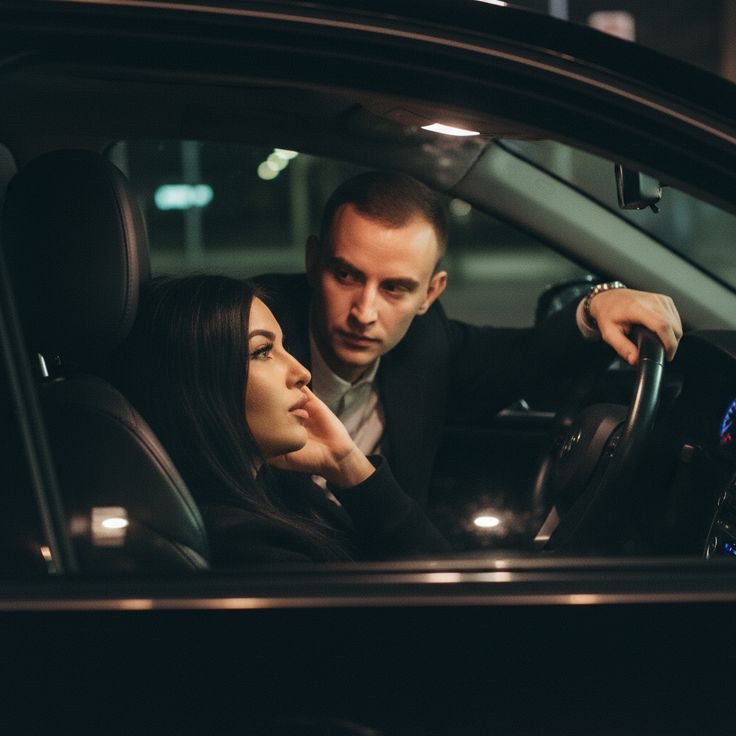
“Listen. I know you cared about Michael. I did too. But this is bigger than a disagreement over an old file. If someone deliberately buried evidence, they may have had a reason to do it. And if Michael was killed because of what he knew, then reopening the question of his death could make us visible to the same people.” Nadia held the envelope closer. “Then we make sure we know what we’re doing before we move.” “That’s the first sensible thing you’ve said tonight.” “You’re welcome.” He took a step back. “I’ll trace the remaining references. Don’t contact anyone connected to the case until we’ve established what these documents actually tell us.” “Understood.” “And Nadia?” She looked at him. “Keep those copies somewhere secure. Don’t send them around. Don’t leave them in your car. And if anything unusual happens, you call me.” She nodded. She did not tell him about the anonymous email. Not yet. She had no proof of who sent it, why it had been sent or what the sender expected her to do with it. Until she understood those things, she intended to keep that piece of the puzzle to herself. Daniel watched her put the papers back into the envelope. “You’re thinking about something.” “Usually.” “Unfortunately, I know that look.” “Then you should know better than to ask.” He gave a quiet laugh. “Take care of yourself.” “You too.” Nadia walked towards the lift. The doors opened with a soft mechanical chime. She stepped inside, holding the envelope against her side. As the doors closed, she looked down at the name printed on the top page. Michael Jones. For years, she had tried to accept that his death was simply another tragedy that had happened to someone she loved. Now the records were telling her something else. His name appeared in more places than she had ever known. And someone had gone to considerable trouble to make sure she did not see them.
“ She had no proof of who sent it, why it had been sent or what the sender expected her to do with it. Until she understood those things, she intended to keep that piece of the puzzle to herself"
"
The following morning, 8:36 a.m. The executive dining room at Asterion Group was quiet enough to make every small sound noticeable. A spoon touched the side of a porcelain cup. A newspaper page turned. Somewhere beyond the tall windows, the city was already awake, its traffic moving in slow, impatient lines beneath the morning haze. Adrian entered the room and checked his watch. His father sat at the far end of the table, reading a document. He did not look up. “You’re three minutes late.” Adrian pulled out the chair opposite him. “Good morning to you too.” His father turned a page. “Good morning does not alter the time.” “Neither does pointing it out.” Only then did his father look at him. There was a particular kind of silence that existed between them. It was not the comfortable silence of two people who had nothing to say. It was the deliberate pause of two people who had learned to measure their words before speaking. Adrian reached for the coffee. “Is there a reason you asked me here?” “Must there always be a reason?” “With you? Usually.” His father placed the document on the table. “The board wants an update on the transition.” Adrian took a sip of coffee. “Then they should ask for one.” “They have. I am asking you.” “And I am telling you that the process is moving.” “That is not an update.” “It is the beginning of one.” His father leaned back. “The board is not interested in beginnings, Adrian. It is interested in stability. They want to know that the company will remain stable when the responsibility passes to you.” “Then perhaps they should look at the work we’re doing instead of worrying about who sits in which chair.” His father’s expression remained unchanged. “You speak as though the company is a personal experiment.” “It isn’t. That’s why it needs to change.” “Change is not the same as improvement.” “Neither is preserving everything simply because it has always been there.” A faint tension appeared around his father’s mouth. Adrian noticed it. He always did. His father had spent decades building Asterion Group into an empire. Every division, every acquisition, every relationship had been arranged with the careful precision of a man who believed that nothing important should be left to chance. He did not take kindly to suggestions that the structure he had built might need dismantling. “The board has concerns about your judgement,” his father said. Adrian set down his cup. “On what grounds?” “Your willingness to make decisions before understanding their consequences.” “That’s an interesting accusation from a man who built an entire company by taking risks.” “Calculated risks.” “Of course.” His father ignored the remark. “You are approaching a point where your decisions will carry more weight. The people around you will be watched. Your relationships will be watched. Your conduct will be interpreted in ways you may not anticipate.” Adrian looked at him. “Are we discussing the company or my personal life?” “With you, the distinction is becoming increasingly difficult to maintain.” There it was. The warning beneath the business conversation. Adrian leaned back, his expression unreadable. “My personal life is not a board agenda.” “Your name is.” The words settled between them. His father folded his hands. “You carry this family’s name. Whether you like it or not, your decisions reflect on more than yourself. Do not give the board another reason to question whether you understand the responsibility you’re asking to inherit.” Adrian held his gaze. “I understand the responsibility.” “Then act like it.” For a moment, Adrian said nothing. He had spent years learning how to disagree with his father without turning every conversation into a battle. It had not always worked. He pushed his chair back. “Is there anything else?” His father returned to the document. “Do not allow personal convictions to interfere with the business.” Adrian stood. “I’ll keep that in mind.” He walked towards the door. “Adrian.” He stopped but did not turn immediately. His father’s voice was lower now. “This company has survived because people understood what was at stake. Do not assume you can undo decades of work simply because you believe you can build something better.” Adrian looked over his shoulder. “Then perhaps the company should be strong enough to survive the truth.” His father watched him leave. The door closed quietly behind him. For several seconds, the older man remained still, his eyes resting on the document before him. He had spent too many years protecting what he had built to allow the next generation to dismantle it through impatience. He intended to keep Asterion intact. Whatever it took.
“ There was a particular kind of silence that existed between them. It was not the comfortable silence of two people who had nothing to say. It was the deliberate pause of two people who had learned to measure their words before speaking”.
"
"Across the city, the man in the parked vehicle had already moved on to another street. The photographs had been sent. The people who needed to know would know soon enough. And somewhere between a woman who had begun asking questions and a family determined to keep its history buried, the past was finding its way back into the present. Some people noticed too late. Others had never stopped watching”.
"
Stay Connected
Follow the UnRulyMusik 📱 channel on WhatsApp
Get the culture delivered straight to your phone. No noise — just the drop.
Coming Soon
Our intelligent article companion is being trained on the culture. Ask questions, get summaries, and dive deeper — launching soon.